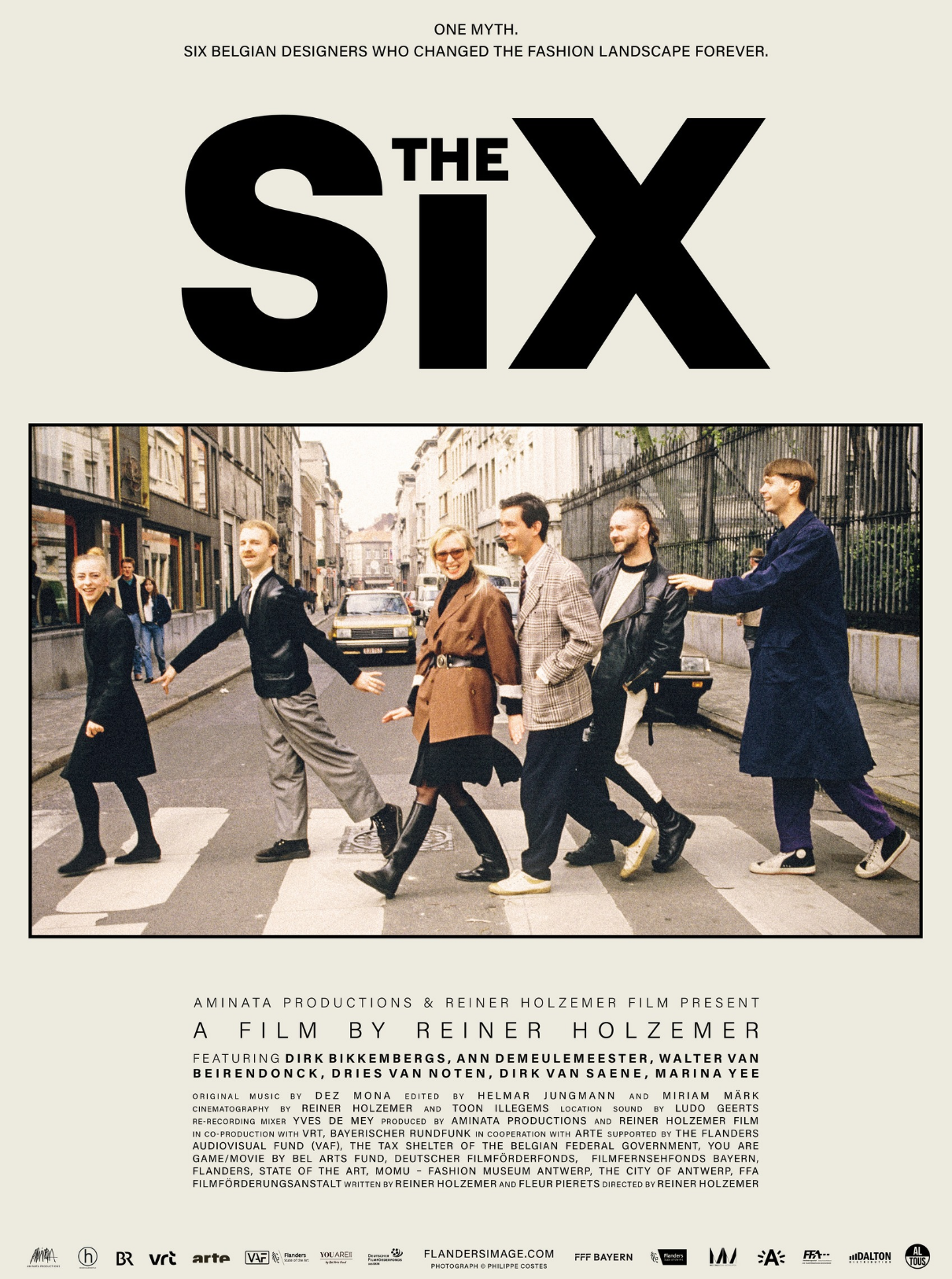
Wonne Scrayen is a Belgian fashion analyst and new on ACHTUNG’s roster of writers. She reviewed ACHTUNG friend and German filmmaker Reiner Holzemer’s newest movie “The Six”. In our upcoming issue, ACHTUNG 52 (launching October 27th), she dedicated a couple pages to one of the Antwerp Six: Marina Yee. We might be biased, but it’s an exposé you shouldn’t miss.
2026 and the Antwerp Six will forever be intertwined. The year that marks 40 years since then-editors of Women’s Wear Daily’s menswear counterpart, DNR, Amy Spindler and Alexander Lobrano, coined the moniker the designers would come to be known by after a shared stand at the British Designer Show in London in 1986. It implied a group spirit that still lingers in people’s minds today. However, a triptych – some panels more than others – at last demystifies this myth of The Six. First, an exhibition with accompanying catalogue; then a soon-to-be controversial novel; and finally, a documentary by Reiner Holzemer. The Six premiered at Film Fest Ghent on Wednesday, October 14th – a high note to what has been a momentous year.
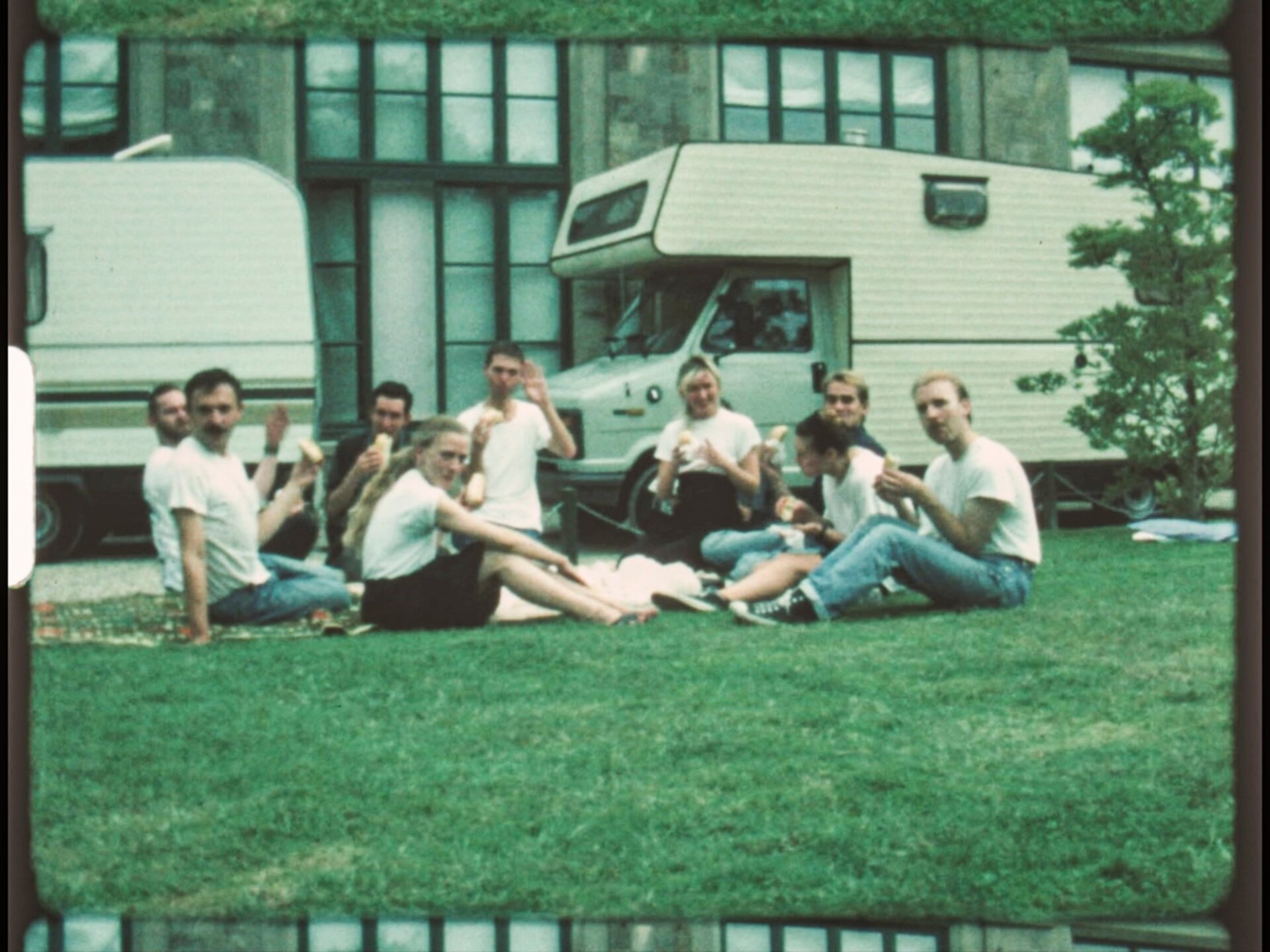
Archival still from The Six, © Aminata Productions & Reiner Holzemer Film
Known for his previous close-ups of fashion figures such as Dries Van Noten and Martin Margiela, German director Reiner Holzemer had been waiting for the moment he could shoot a similar project on the evocative Six. Unfortunately, there was never really any animo for this. Until MoMu and exhibition curator Greet Bruloot reached out themselves. Things had to move quickly. Six weeks and six protagonists – that was what Holzemer and producer Aminata Sambe had to work with.
Nothing about the documentary would make the viewer suspect such a tight deadline. Each portrait in the documentary is shot immaculately and with the utmost integrity toward each individual, something Oscar van den Boogaard’s book has been accused of not achieving. Holzemer and Sambe captured on screen what the MoMu installation at times lacked. As Dirk Bikkembergs says on camera, the MoMu exhibition can feel like six miniature retrospectives to the visitor. An overview of their careers that followed from the success and international recognition they acquired as each being part of the Antwerp Six. The challenges of an exhibition such as the one on view at MoMu are not to be underestimated. To bring congruity to a story with six such different plots is a fashion tour de force. A myriad of voices, aesthetics and minds to align. The same was true for Holzemer and Sambe, yet they approached it differently without compromising on individuality.
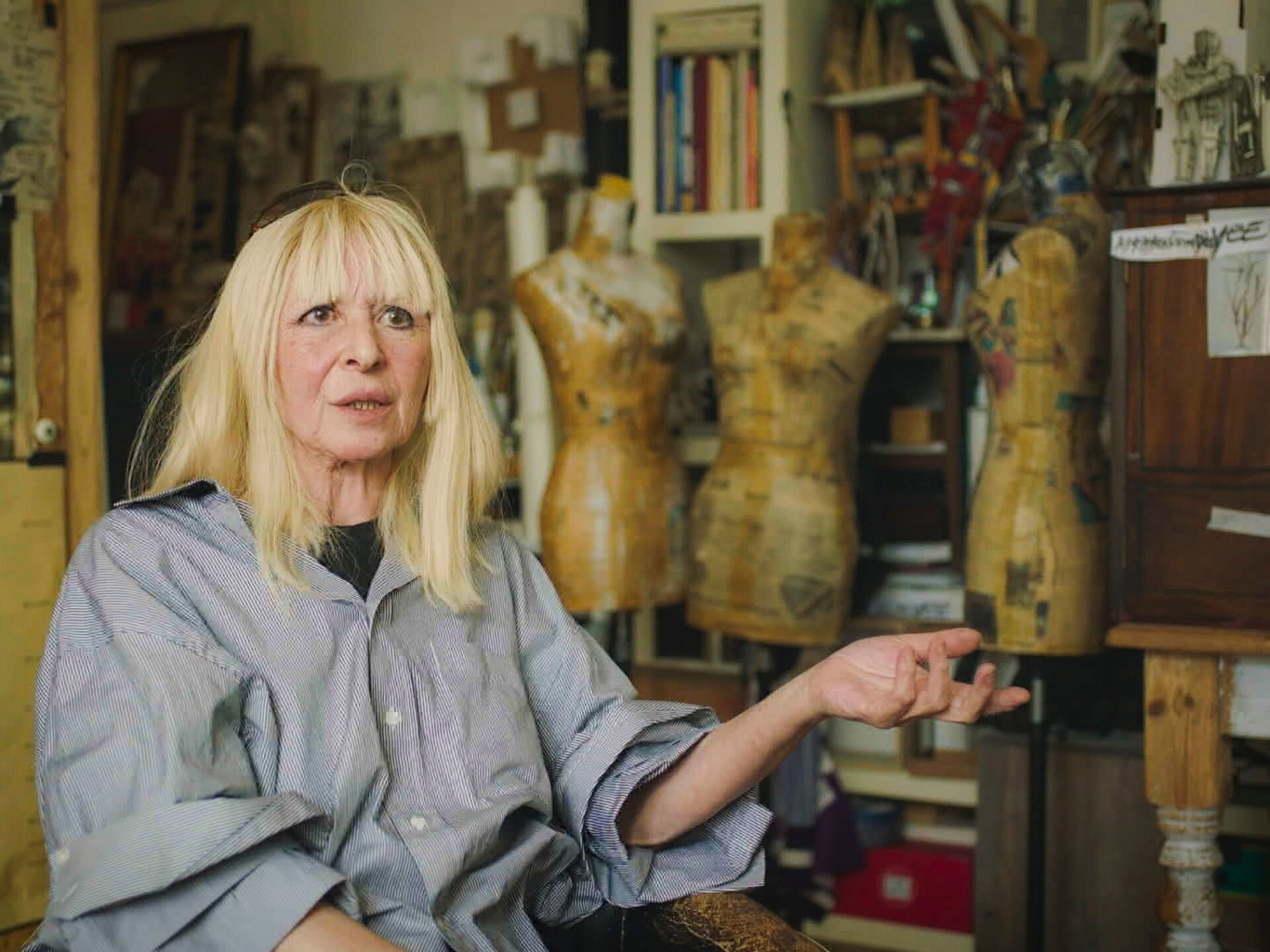
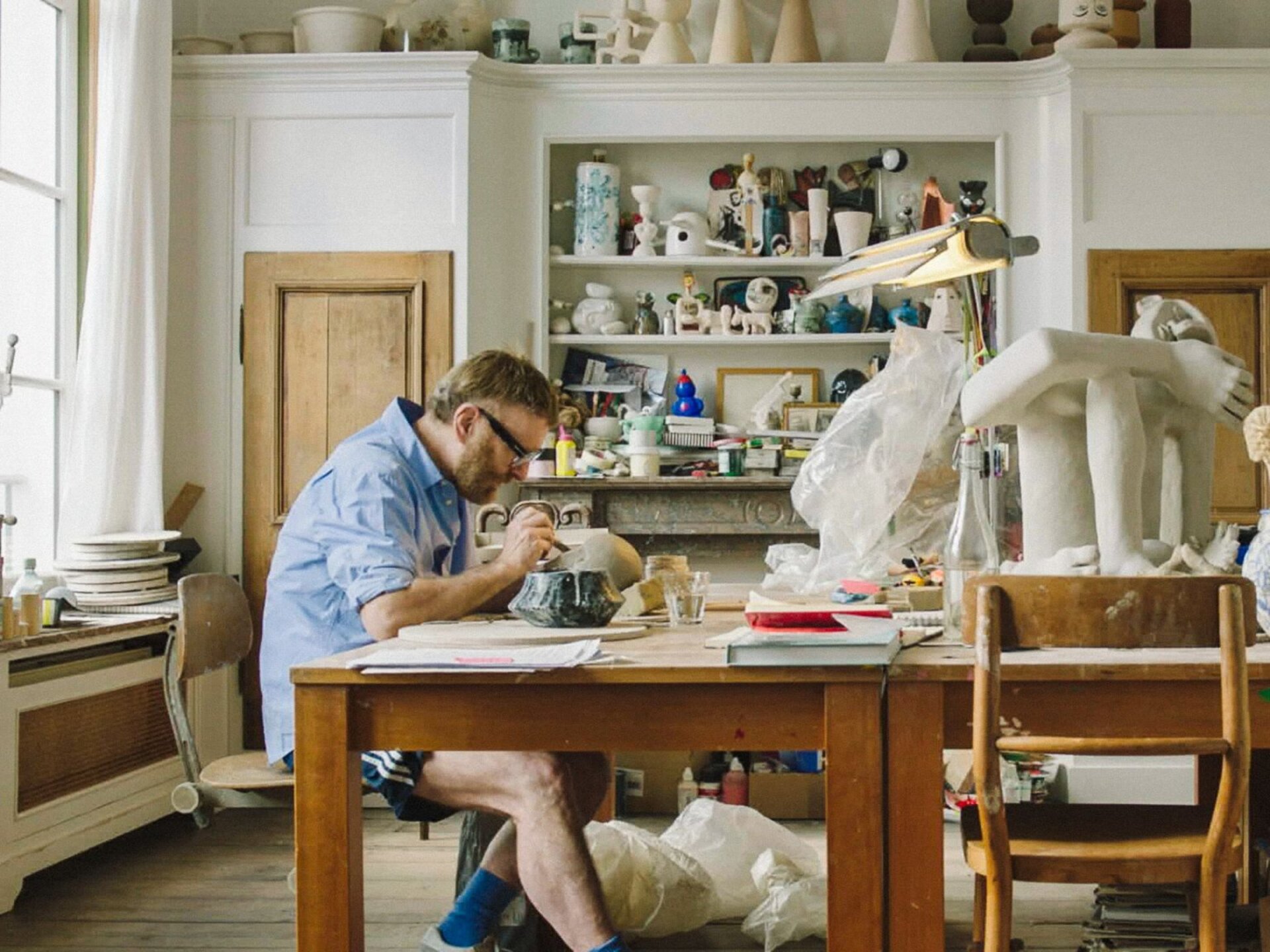
Marina Yee in her studio, © Aminata Productions & Reiner Holzemer Film
They soon realised a documentary needs one identity. An identity of its own, not determined by its protagonist – in this case, protagonists, plural. The six prove strong enough to distinguish themselves from one another without needing any visual discrepancy within the filming, montaging, or editing. The documentary establishes a sense of congruity in what the cohort once was, if only at the very start: six students who perchance shared the same vigour and ambition to make it, no matter what. That’s all there ever was and is to the group spirit. With few exceptions, they don’t keep in touch. Each forged their own path. The MoMu exhibition doesn’t deny this, yet it also doesn’t come as much to the fore as it does here – and, credit where credit is due, as is to be read in Van den Boogaard’s book.
As a timely document, The Six proves a layered reference for many generations to come. It pulled off something not easy to achieve: it speaks to people on different levels. Those new to (Belgian) fashion who want to familiarise themselves with the dense history of such a pivotal moment in fashion history. But equally, those who know the timeline through and through. With footage they might have read about before but probably never laid eyes on before. Footage archived somewhere outside collective view, now out there to form the baseline of hopefully collective memory.
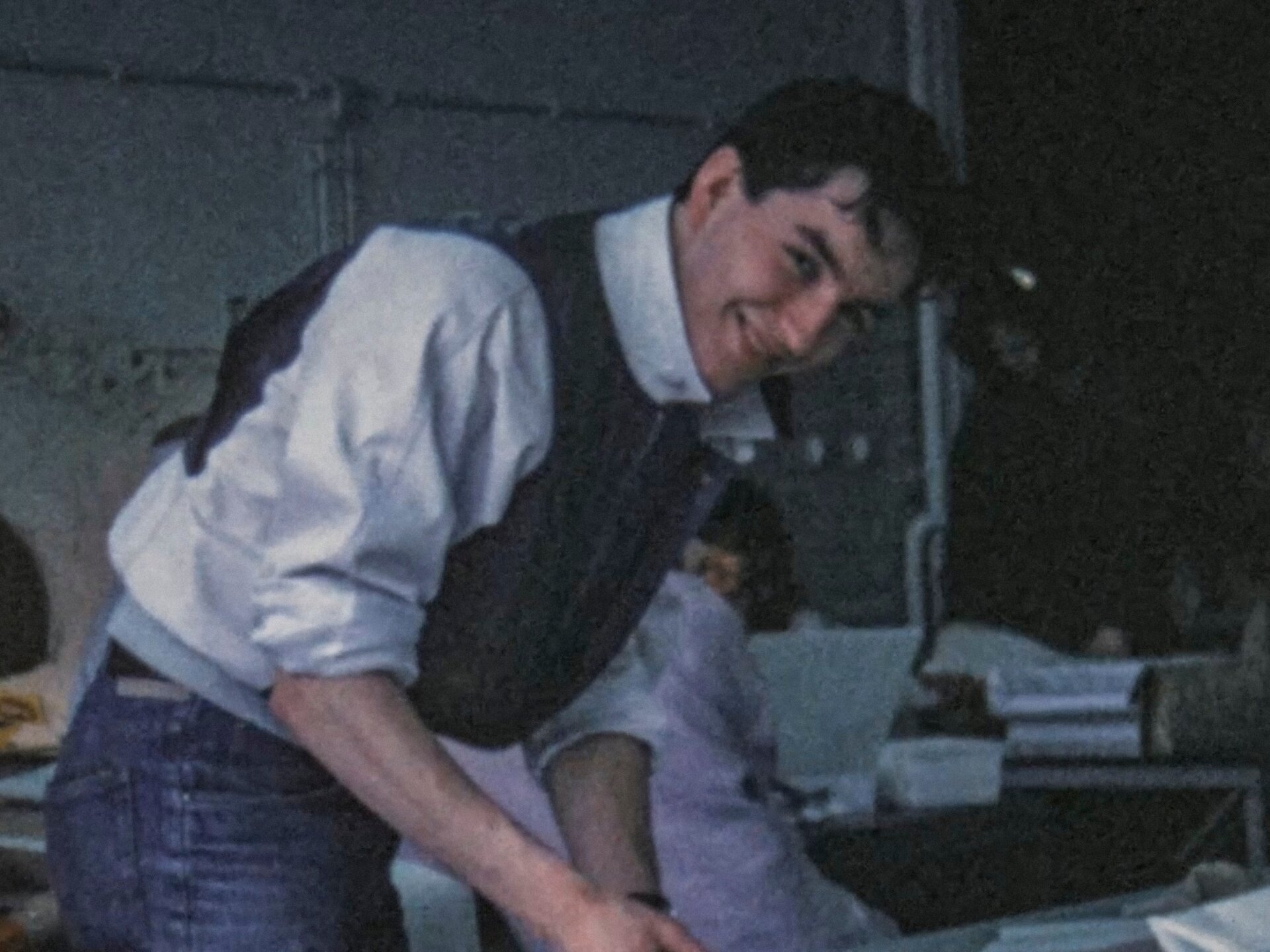
Dries Van Noten as a student, © Aminata Productions & Reiner Holzemer Film
Said to be too busy and too shy to attend in person, none of the designers were present at the screening – except for Rafaël Adriaensens, who, since her passing late last year, oversees Marina Yee. For the first reason, there might be something to be said. As for the second one, however, some might have caveats. Whatever it may be, by now they probably have had enough of this year, already. In the end, Dirk Van Saene, Marina Yee, Dries Van Noten, Ann Demeulemeester, Walter Van Beirendonck, nor Dirk Bikkembergs were ever a requesting party – for any of this.
Dirk Van Saene, © Aminata Productions & Reiner Holzemer Film